
🏯 I'm a Beijing Local — Here's What I Wish Every Tourist Knew Before Coming
1. Stop Stressing About Cash — Use the Alipay Tourist Pass
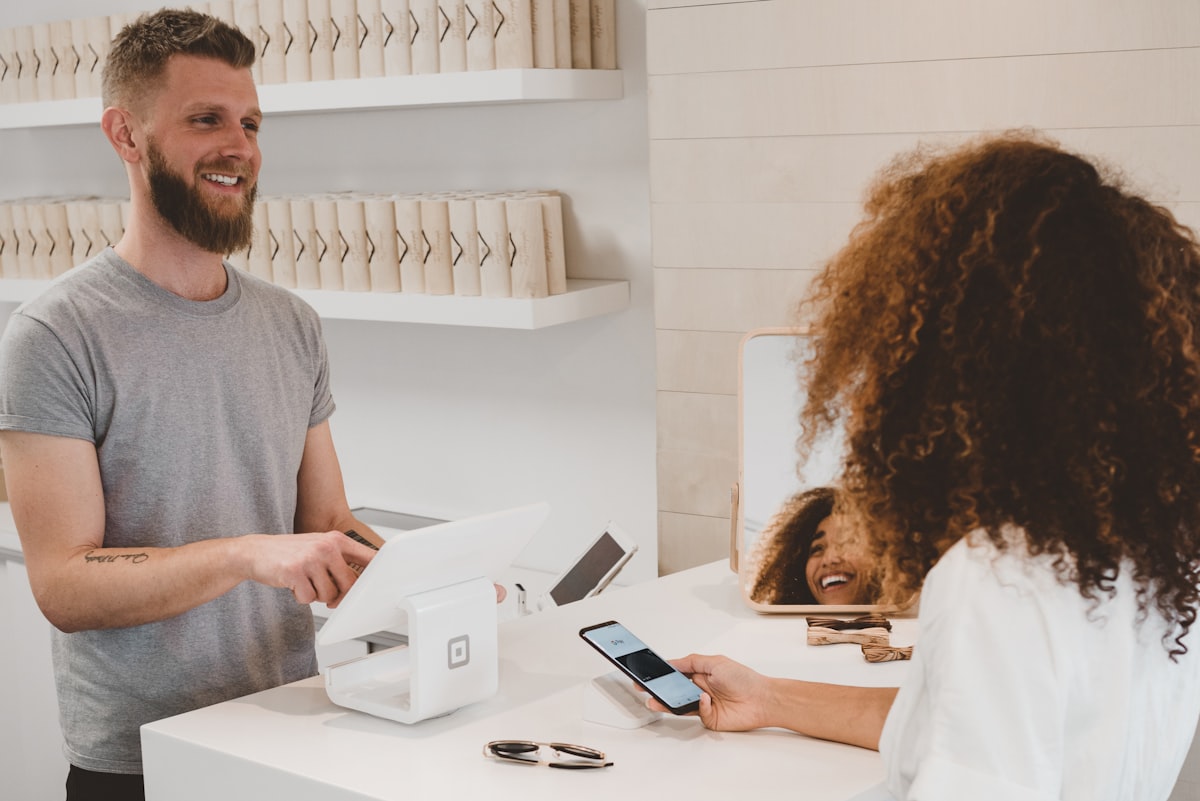
Forget the horror stories about China being “cashless and impossible for foreigners.” The Alipay Tourist Pass is a total game-changer — just bind your overseas Visa or Mastercard, and you’re good to go. It works for 99% of shops, restaurants, and even subway and bus QR codes.
Seriously, I’ve seen tourists panic about exchanging cash at the airport. Don’t bother. Download Alipay before you fly, set up the Tourist Pass, and you’ll be paying like a local within minutes of landing.
2. Ditch Google Maps — Download Amap Right Now
Google Maps is basically useless in Beijing. It has no accurate hutong layouts, no real-time bus or subway updates, and will regularly lead you into dead ends. Trust me — I’ve rescued multiple tourists who followed Google Maps straight into a construction site.
Gaode Maps (search for “Amap” in the App Store) has a full English interface, works offline, and even tells you which subway car to board for the easiest transfer. It’s what every single Beijinger actually uses.
3. The Subway Is Your Best Friend (Just Avoid Rush Hour)
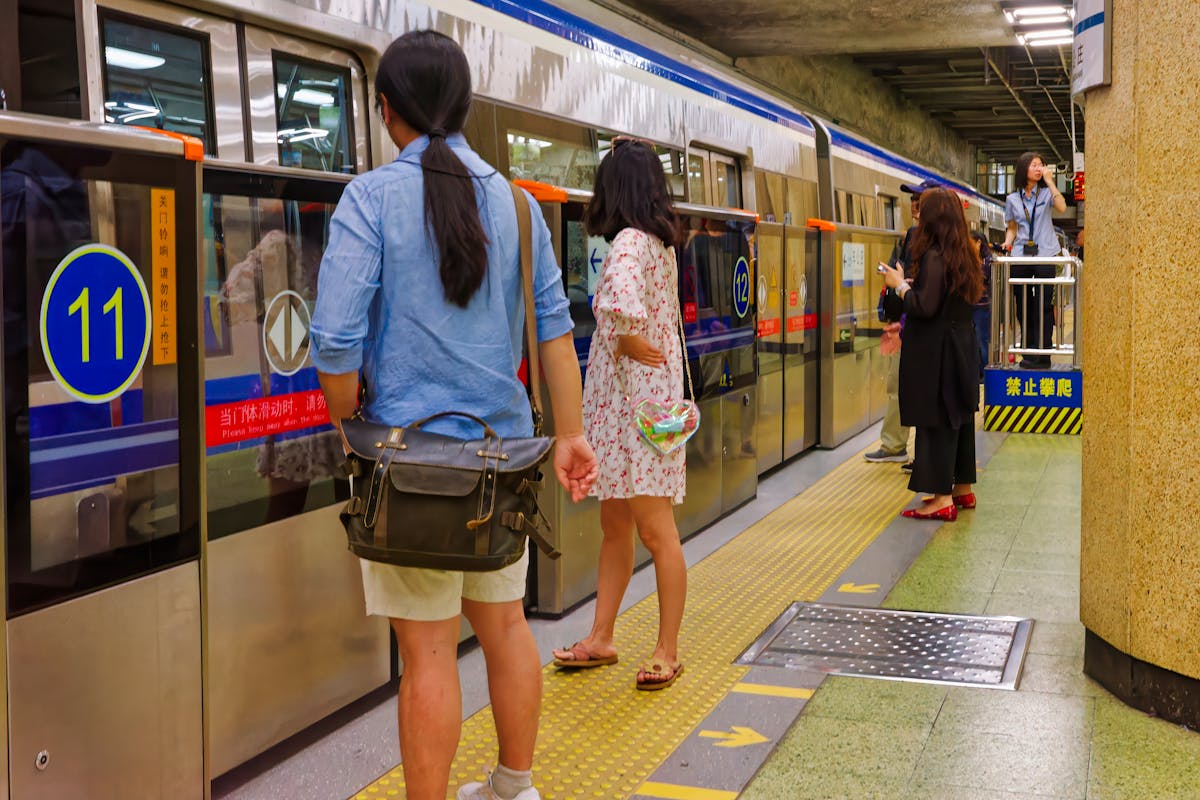
Beijing’s subway is the fastest, cheapest way to get around — fares start at just ¥3 (about $0.40)! No need for a physical card either. Just use the Alipay or WeChat subway QR code to scan in and out.
Non-negotiable rule: Never ride between 7:30–9:30am and 5:30–7:30pm on weekdays. Lines 1 and 10 will turn you into a human sardine. I speak from decades of painful experience.
If your hotel is near a subway station, you can reach almost any major attraction within 40 minutes. The system covers over 800 km of track — it’s absolutely massive.
4. Skip Nanluoguxiang Snack Stalls — Go to Niujie Instead
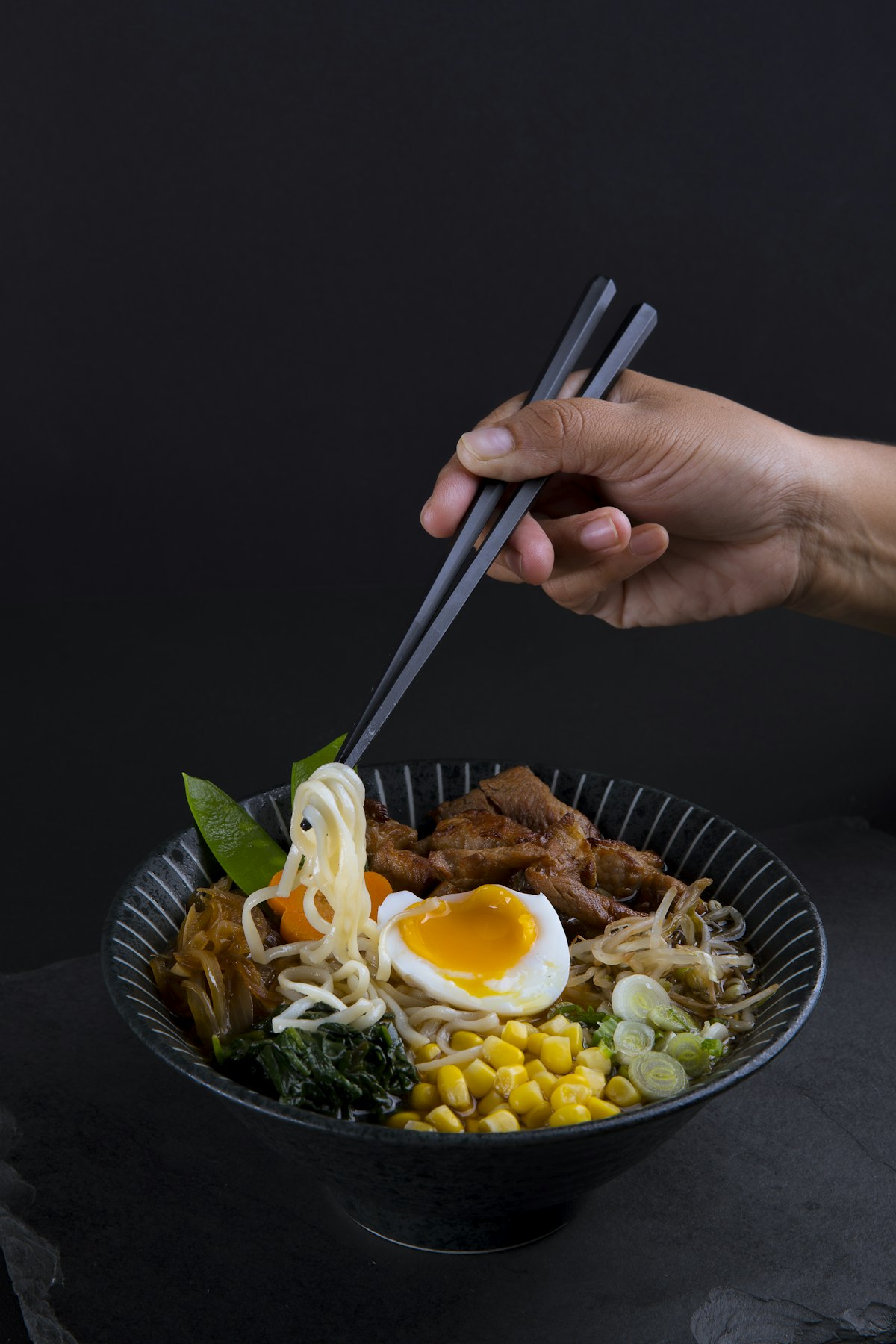
Look, I know every travel blog tells you to visit Nanluoguxiang. And sure, the hutong architecture is pretty. But those “snack stalls”? Overpriced, mass-produced, and nothing that actual Beijingers would eat.
If you want authentic, cheap, local food that we eat every day, head straight to Niujie (牛街) — Beijing’s historic Hui Muslim neighborhood. Here’s what to get:
- Wan dou huang (豌豆黄) — Melt-in-your-mouth pea cake, sweet and delicate
- Crispy fried beef buns — Crunchy outside, juicy inside, absolutely addictive
- Halal hot pot — The city’s best, and at half the price of tourist areas
No gimmicks, no Instagram-bait food. Just incredible, honest food that’s been perfected over generations.
5. The Great Wall: Never Go on Weekends, and Go Early
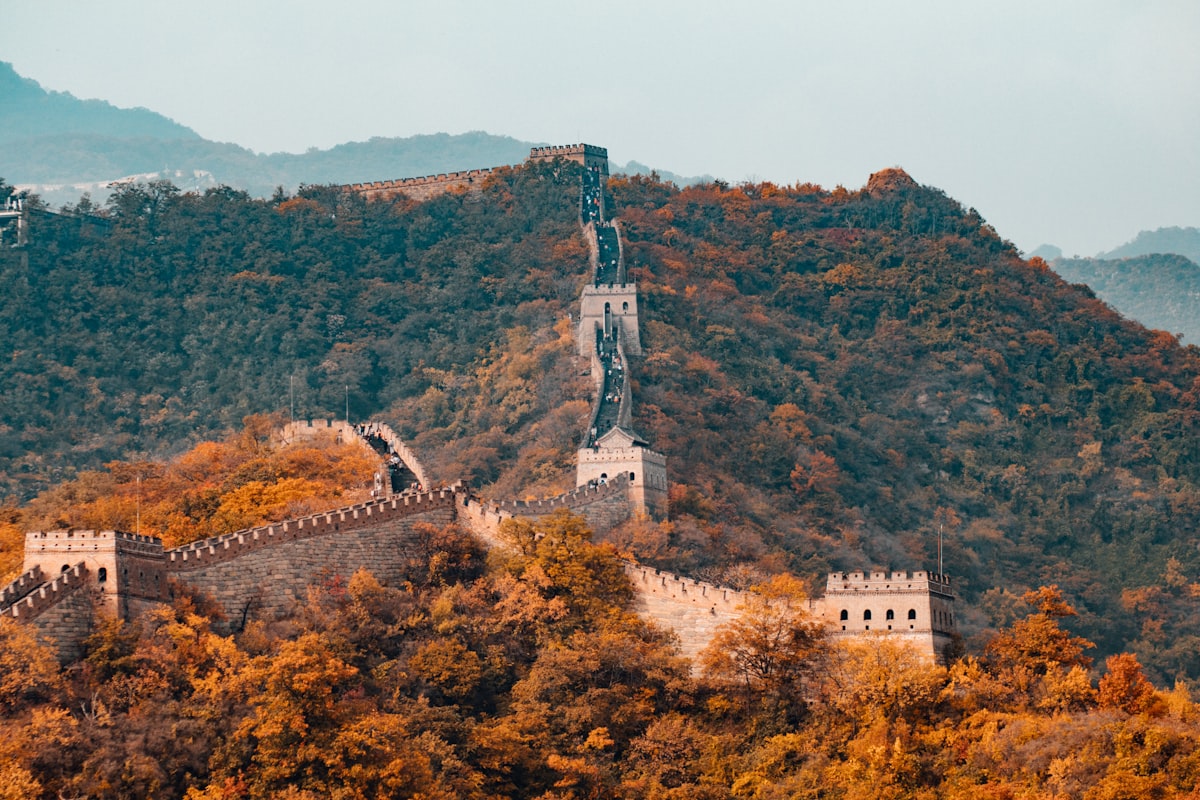
I cannot stress this enough: weekends at any Great Wall section are a nightmare. We’re talking 2-hour waits for the cable car, crowds so thick you can barely walk, and zero chance of getting a decent photo.
Here’s the local playbook:
- Go Tuesday through Thursday — weekends and Mondays (when people take “long weekends”) are the worst
- Arrive right when it opens — 7:30am in peak season. Yes, it’s early. Yes, it’s worth it.
- Pick Mutianyu over Badaling — Mutianyu is just as stunning, way less crowded, and much more foreigner-friendly with better facilities and English signage. Badaling is where all the domestic tour buses go.
One more thing: bring layers. The Wall is in the mountains, and it’s always windier and cooler than the city center, even in summer.
6. Beijing Is Insanely Safe — Just Watch for These 2 Scams
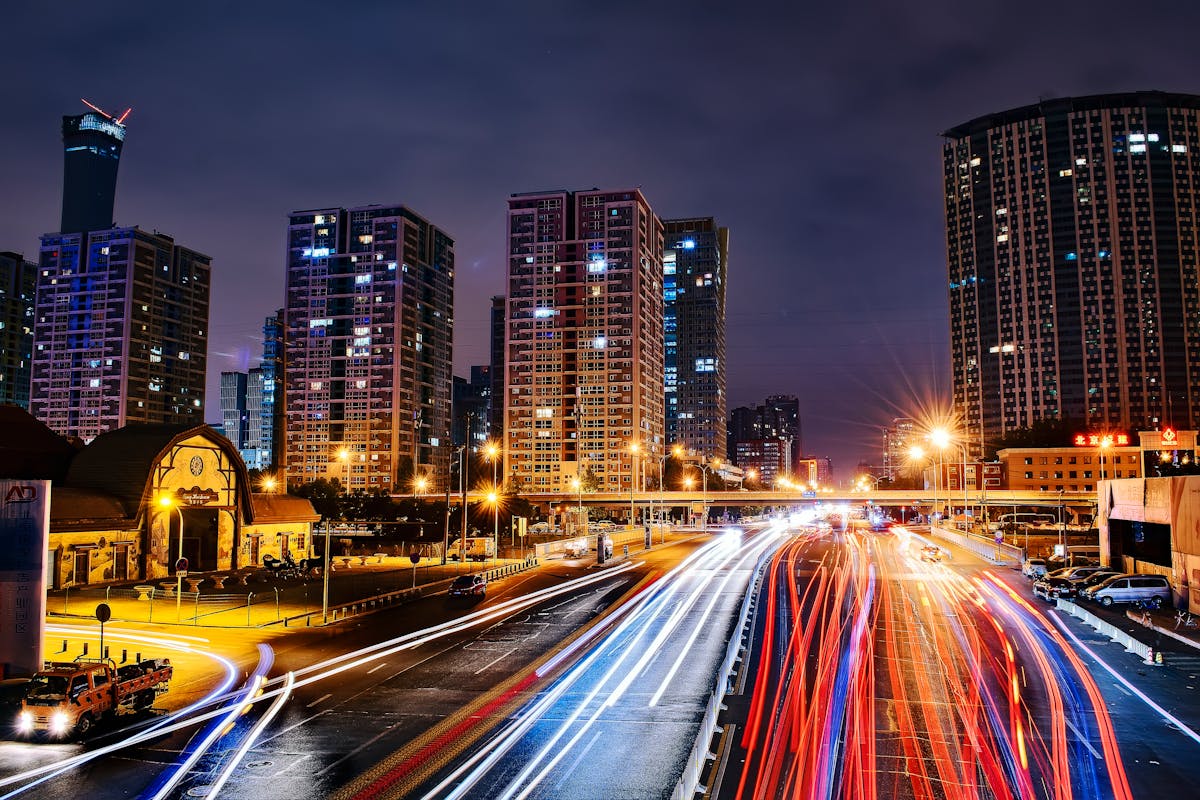
I’ve walked home alone at 2am countless times with zero issues. Beijing is genuinely one of the safest major cities in the world. Surveillance is everywhere, and violent crime against tourists is virtually unheard of.
That said, there are exactly two scams you should watch out for:
-
Black “¥100 all-inclusive” Great Wall day tours — They sound like a steal, but they’ll drag you through 3+ mandatory souvenir shops where you’ll feel pressured to buy overpriced jade. Book through your hotel or a reputable platform instead.
-
Unlicensed taxis that refuse to use the meter — They hang around tourist spots and train stations, quoting flat rates that are 3–5x the real fare. Stick to official taxis (look for the rooftop light and meter) or just use DiDi (China’s Uber) through your phone.
That’s it. Those are the only two things you need to be careful about.
I love this city more than anything, and it breaks my heart to see tourists stress out over mistakes that are so easy to avoid. Beijing is ancient, modern, chaotic, serene, and absolutely unforgettable — if you know how to navigate it.
Welcome to Beijing. You’re going to love it here.